A small-scale gold plant is a modular recovery circuit, not a stripped-down rig
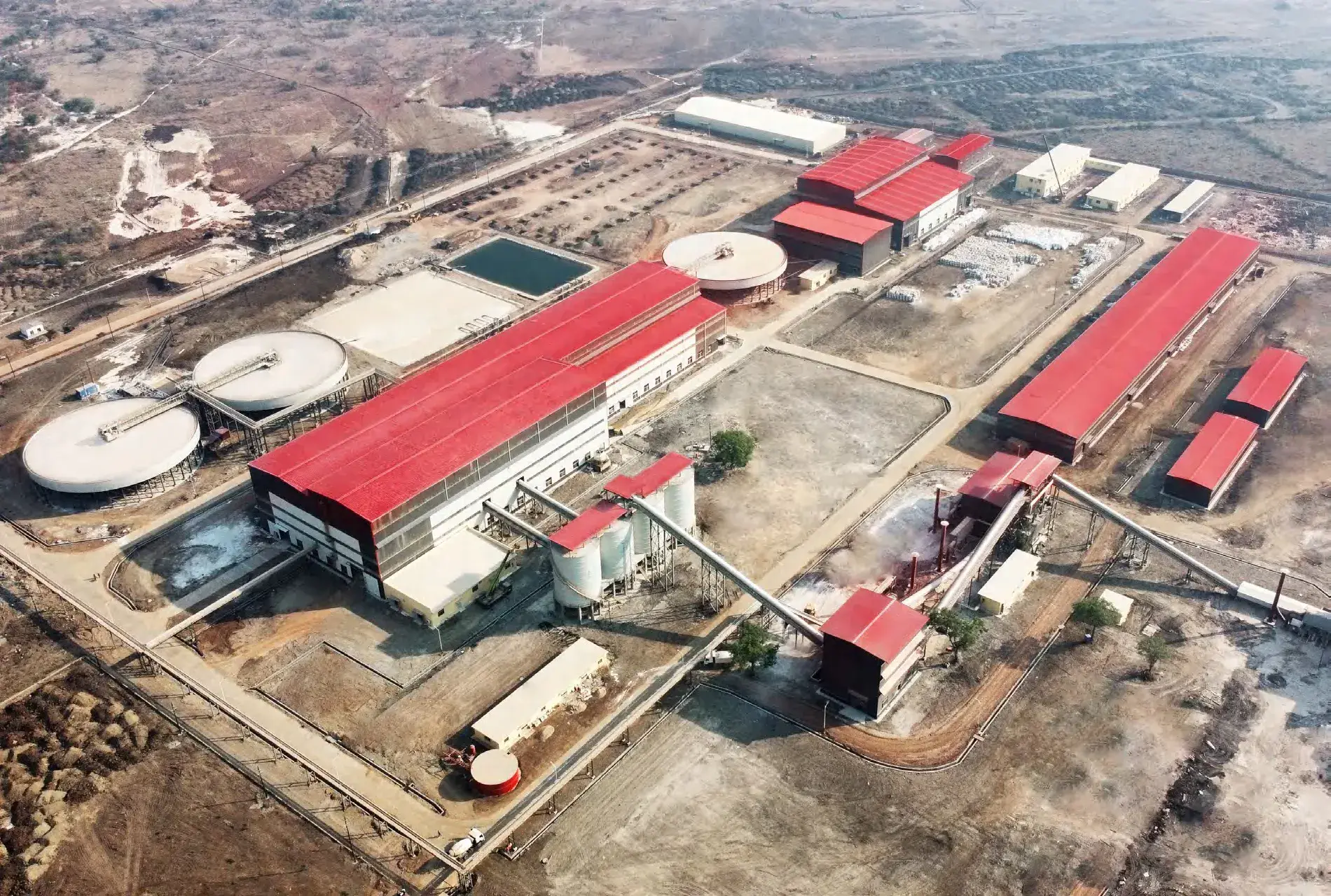
For small deposits, pilot production and fast-track projects, a small-scale gold processing plant delivers a complete recovery circuit in a compact footprint. Xinhai reports it supplies small scale gold mining equipment and complete plants to more than 2,500 mines across 100+ countries. A modular processing plant refers to a plant built from factory-preassembled modules; the main equipment and steelwork are pre-commissioned in a manufacturing workshop, shipped to site, and joined together with minimal site work. That is the core idea behind compact gold recovery: you still need crushing, grinding, separation and, where suitable, leaching, but each stage is packaged for faster installation and lower site risk.
Small doesn't mean simplified. You get the same recovery stages, sized to your deposit and budget.
Core process stages and the equipment that does the work
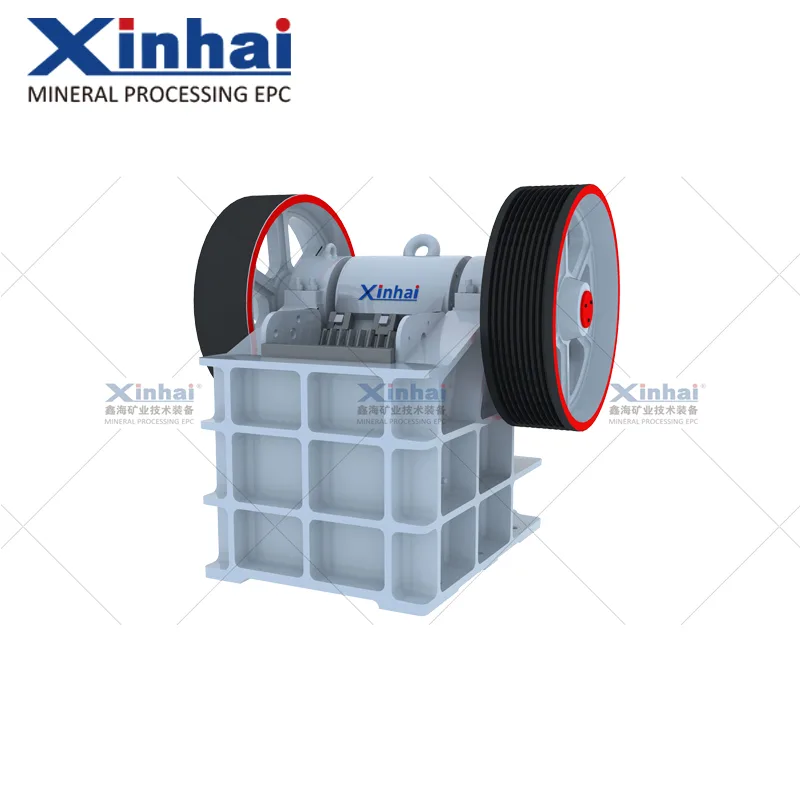
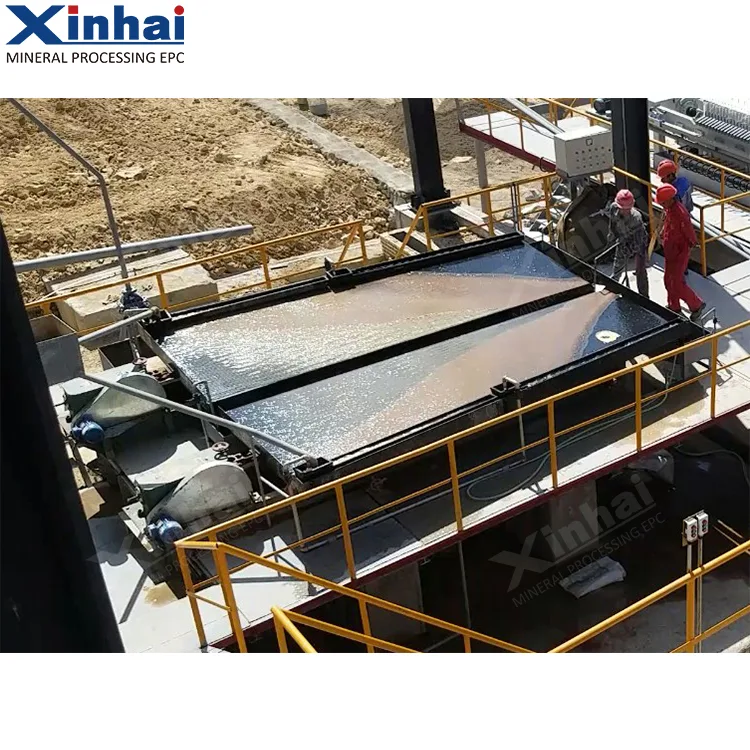
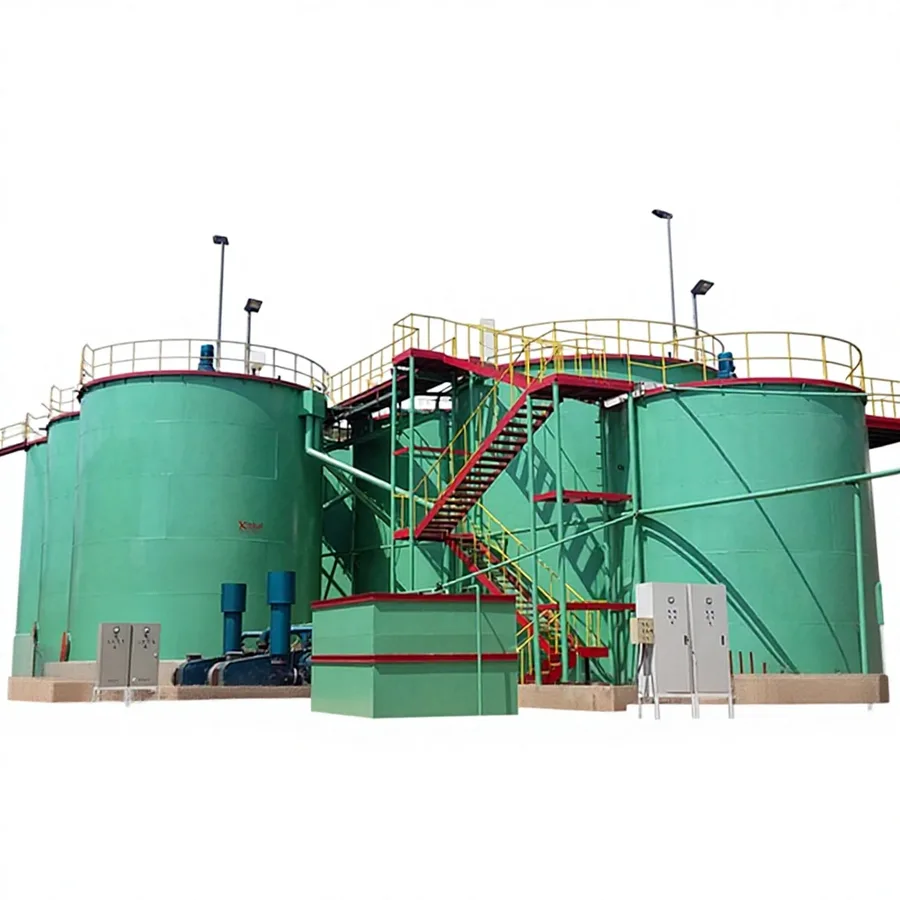
You'll recognise the same stages used in larger plants, just downscaled. Crushing starts with a small jaw crusher and a cone crusher sized to your feed. Grinding follows in a ball mill to reach the liberation size your testwork specifies. Gravity recovery then handles free gold; centrifugal concentrators and shaking tables use density differences to pull gold out without reagents. If the ore is right for cyanidation, a compact CIL or CIP circuit adds leaching tanks and carbon adsorption. CIL/CIP recovery can reach 99% on suitable ores, but that's a metallurgical ceiling, not a promise for every deposit. For a closer look at the leaching route, see the gold CIL plant page.
Gravity separation is a mineral processing method that separates particles according to density using gravity or centrifugal force. It is often the first separation stage in a small plant because it needs no chemical reagent and has lower environmental cost than flotation or cyanidation. You can read more about method selection on the gold recovery methods page.
| Stage | Typical equipment | What it does |
|---|---|---|
| Crushing | Small jaw crusher, cone crusher | Reduces run-of-mine rock to a feed size suitable for grinding. |
| Grinding | Ball mill | Liberates gold particles from gangue to the P80 required by downstream steps. |
| Gravity recovery | Centrifugal concentrator, shaking table | Recovers free gold using density difference, without reagents. |
| Leaching | Compact CIL/CIP tanks | Dissolves gold into cyanide solution and adsorbs it onto activated carbon where leaching is the right route. |
How modular construction changes project delivery
A modular small-scale gold processing plant uses factory-preassembled modules for crushing, grinding, separation and sometimes leaching. Xinhai has a modular engineering team inside its mine design institute, and the company says preassembly can reduce site construction from months to weeks in many cases. Actual schedules still depend on site access, ground conditions and permitting. The same approach suits remote sites or places with weak local construction capacity because most quality-critical work happens under workshop control, not in the weather. The modular gold processing plant article explains the design logic in more detail.
Choosing between gravity, flotation and cyanidation
Gravity separation works best when gold is coarse and free, or when you want a low-reagent pre-concentration step. Flotation becomes relevant for fine or sulphide-associated gold; the gold flotation plant route applies collectors and frothers to recover gold-bearing sulphides. Cyanidation can reach 99% recovery on suitable ores, but only after careful testwork and only where local regulations allow. Cyanide is toxic. Handling it is governed by compliance and safety procedure, not by a catalogue selection. The International Cyanide Management Code is a voluntary industry programme covering the production, transport, storage and use of cyanide; signatory operations are certified through third-party audits. You can find the code at cyanidecode.org.
Specifying a small plant without overbuilding
Start with ore characterisation. Xinhai reports it operates a CNAS-accredited laboratory and an industrial-scale pilot base, running about 200 mineral processing tests per year. The company reports 700+ technical experts and 600+ Mine EPC+M+O projects worldwide. For a small plant, the testwork should confirm grind size, gravity response, leach kinetics and reagent consumption before you fix equipment. Then you can work from a modular flowsheet instead of a one-off site build. A plant treating 1,200 t/d, for example, may need a different module mix than a 100 t/d starter plant; the 500 t/d gold plant page shows one common mid-size configuration.
Xinhai reports its three smart manufacturing bases cover about 110,000 m² and can equip plants up to 50,000 t/d, but the same modular philosophy scales down. The design institute holds a Class B metallurgical qualification in China. That Chinese qualification is not a substitute for JORC or NI 43-101 compliant design where those codes apply, and Xinhai's design work refers to JORC and NI 43-101 standards separately. In 2024, worldwide gold mine production was an estimated 3,300 tons, according to the USGS Mineral Commodity Summaries 2025. That market context matters when you're deciding whether a small deposit justifies a modular plant.