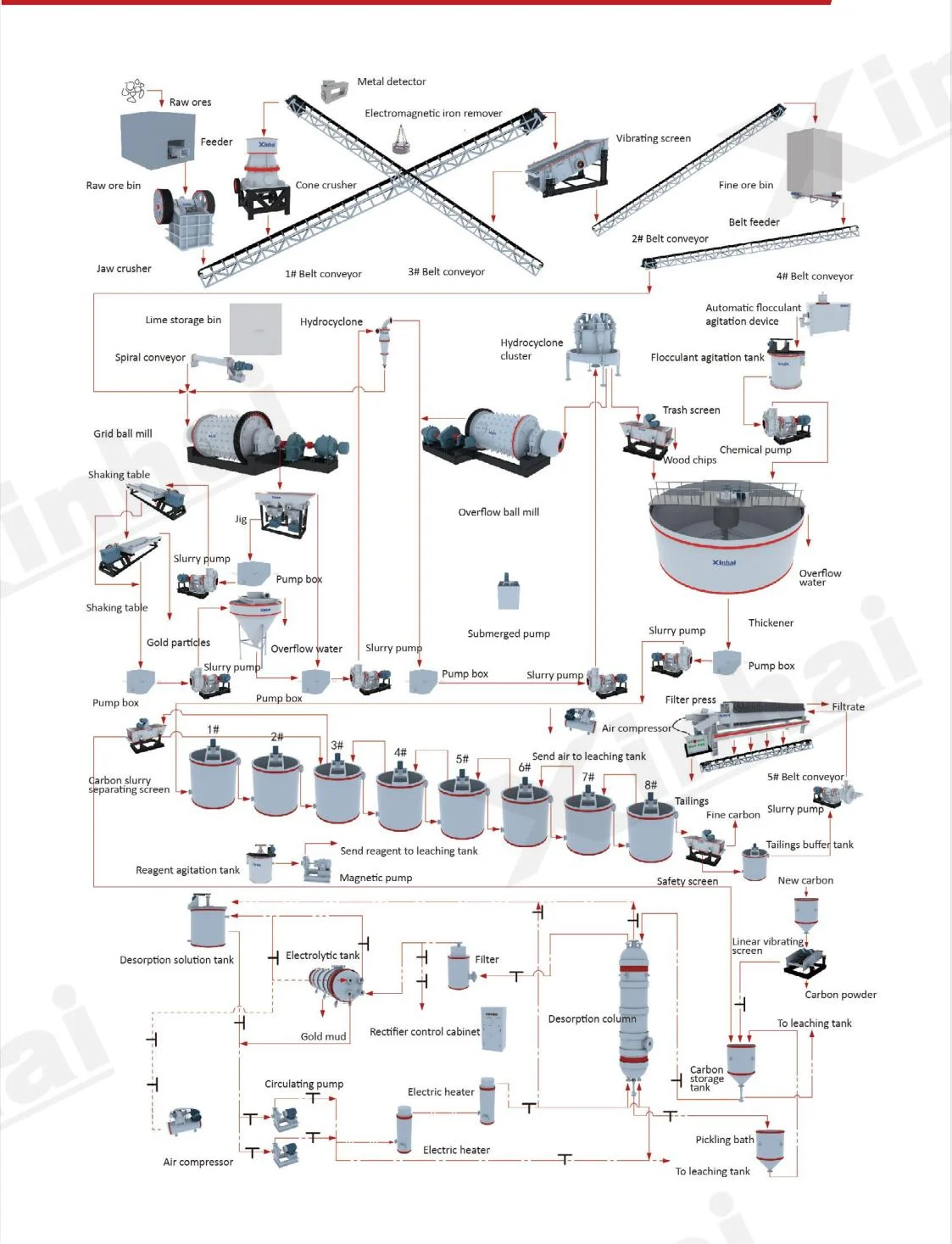
Gold processing equipment is only part of the answer. The harder question is which combination of crushing, grinding, recovery and tailings circuits will actually make your ore pay. You're not buying a catalogue line; you're selecting gold extraction equipment around deposit mineralogy, target throughput and long-term operating cost. Every gold deposit is different. Some ores respond to gravity, some need flotation, some must be leached. We select and engineer the recovery route — milling, flotation, CIL/CIP or a combination — around your ore and your target production.
Four core plant types, matched to your ore
You can think of the gold recovery route as four standard blocks. Each one suits a different ore type and recovery objective, and you can combine them for complex material.
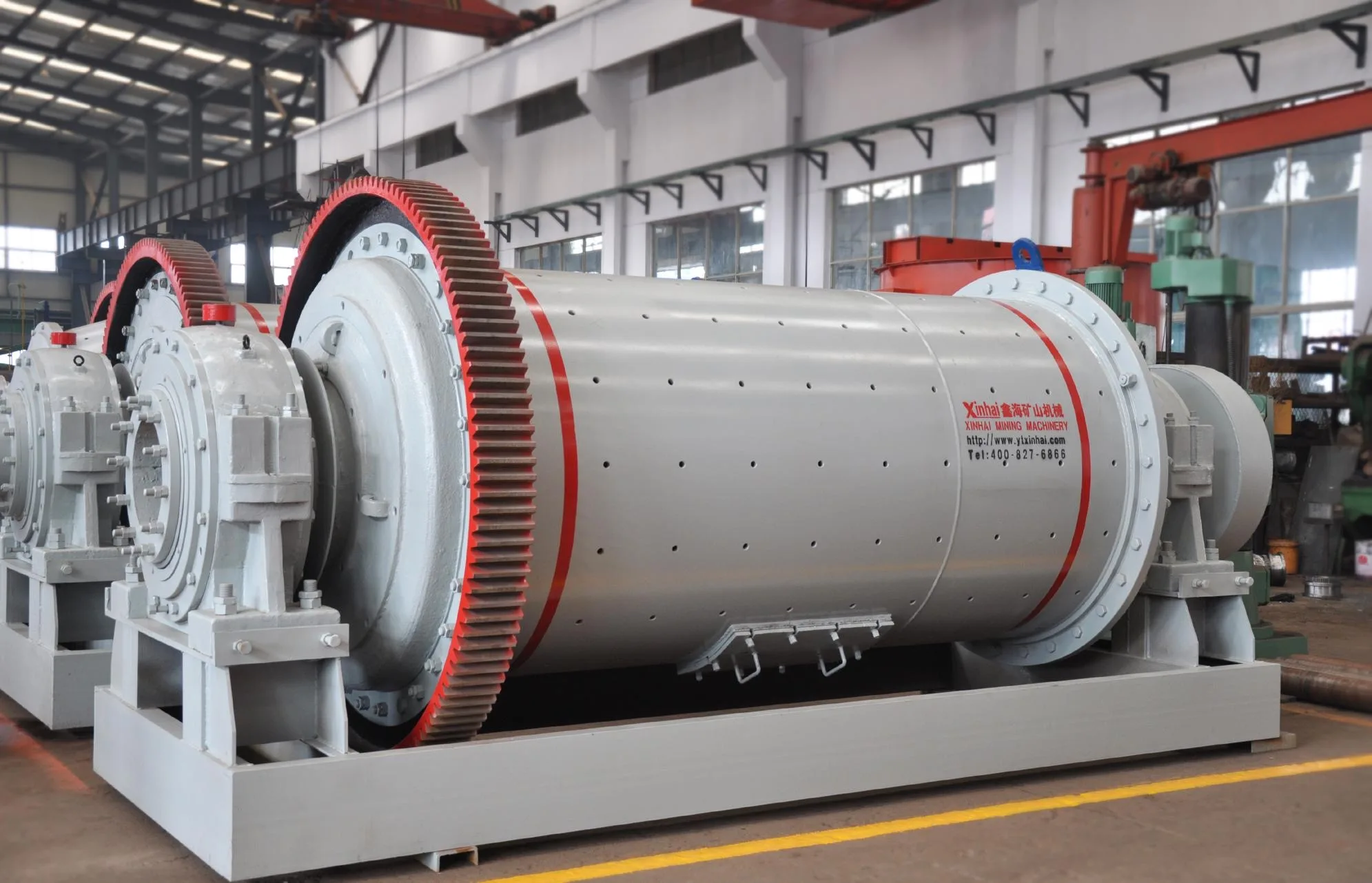
- Grinding · Classification Gold Milling Plant — Crushing, grinding and classification to liberate gold before recovery. Ball mills up to 7 m diameter and full grinding circuit design.
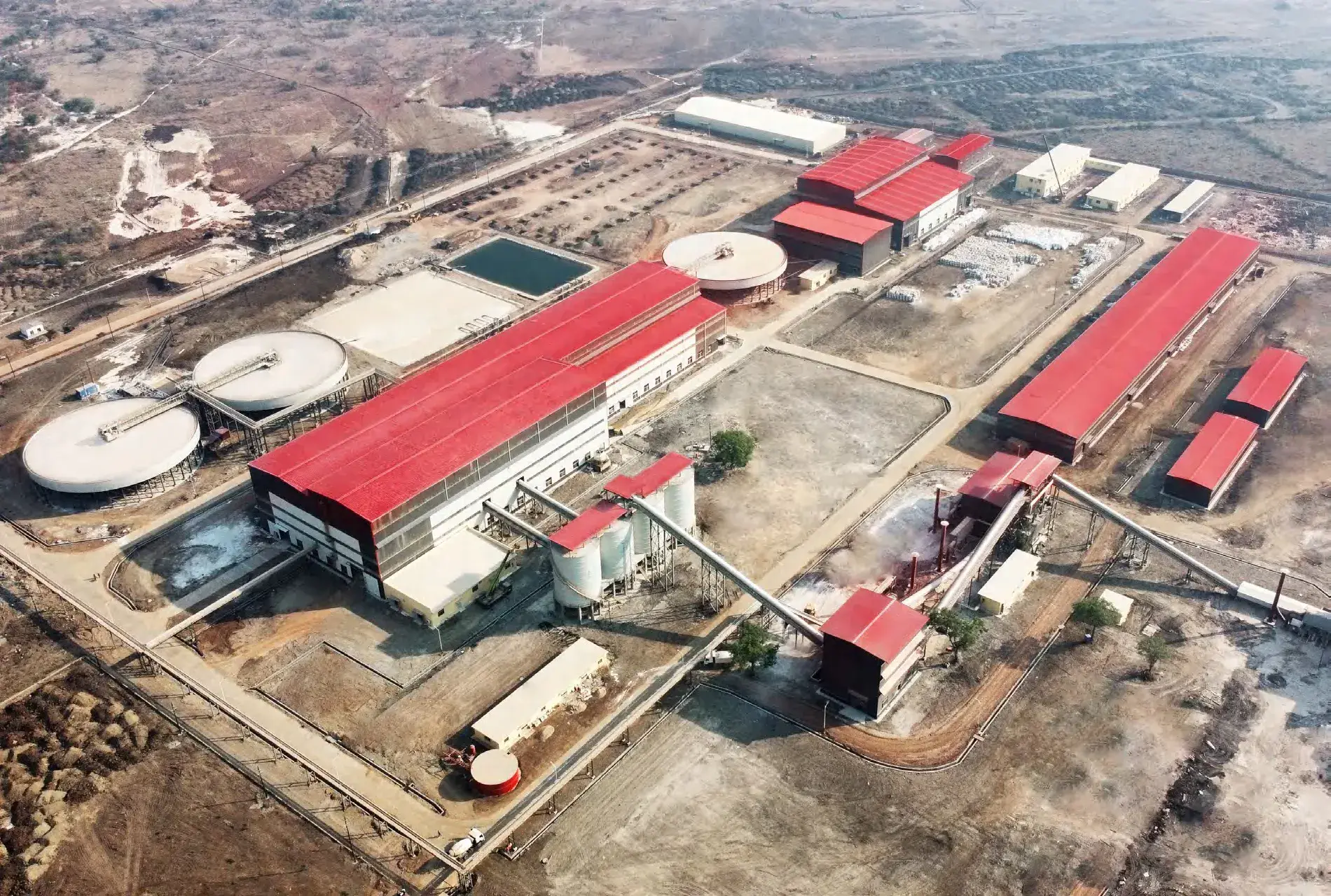
- Full flowsheet Gold Processing Plant — An integrated gold processing plant covering crushing, milling, recovery and tailings — from testwork to operation.
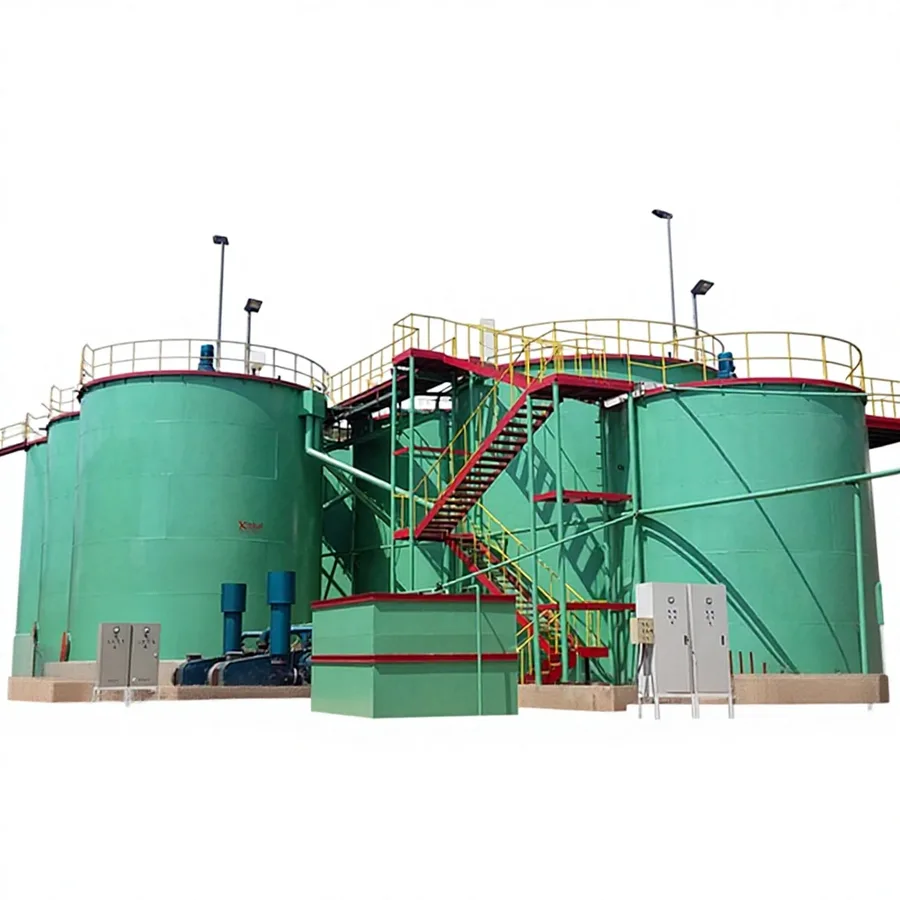
- CIP / CIL · Recovery can reach 99% — Carbon-in-leach and carbon-in-pulp cyanidation circuits with agitation tanks up to 20 m × 20 m.
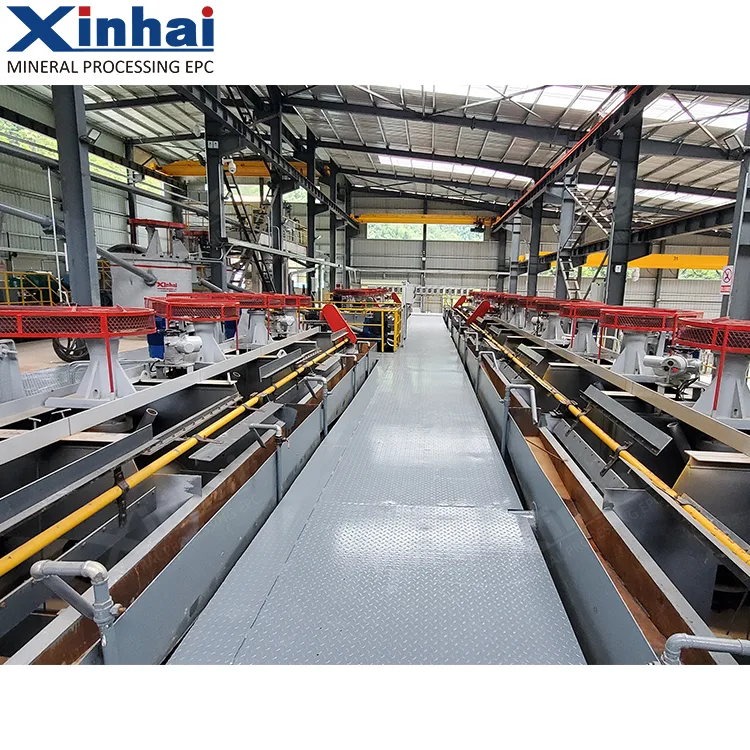
- Sulphide ores Gold Flotation Plant — Rougher–scavenger–cleaner flotation for gold-bearing sulphides, with flotation cells up to 320 m³ per unit.
Complex ores rarely fit one block cleanly. You may need a pre-concentration step, or a combination of flotation and leaching. The aim is not to force a flowsheet; it's to arrange equipment so every unit operation does one job well.
What grinding and classification actually do
Grinding is the point where liberation begins. After primary crushing, the ore still contains gold locked inside host rock. A ball mill — up to 7 m in diameter in Xinhai's heavy equipment range — rotates with steel media to break particles down to a target P80. P80 of 75 µm means 80% of the ground product passes a 75 µm screen, which is a common starting point for leaching and flotation testwork.
Classification closes the grinding circuit. A hydrocyclone, for example, receives the mill discharge, cuts the slurry at a defined particle size, and returns the oversize to the mill. Xinhai's XHCV hydrocyclone series handles 50–800 m³/h according to the manufacturing specifications, but the actual cut point depends on feed density and pressure. You'll find the full grinding circuit design on the gold milling plant page.
CIL and CIP — what the recovery figure means
Carbon-in-leach (CIL) and carbon-in-pulp (CIP) are both cyanidation routes that recover gold onto activated carbon. The difference is where adsorption happens. In CIL, leaching and carbon adsorption occur simultaneously in the same agitation train. In CIP, leaching is completed first, then the slurry moves to a separate carbon adsorption section. Both can reach 99% gold recovery on suitable free-milling ores, but the number is not a guarantee; it depends on leach kinetics, preg-robbing, and cyanide management.
Cyanide is toxic. Its storage, dosing and detoxification are governed by your site's compliance envelope and safety procedures, not by a equipment catalogue. If you are comparing the two circuits, the CIL vs CIP comparison walks through the process selection variables.
Leaching tanks are large. Xinhai's double-impeller agitation tanks are listed up to 20 m × 20 m, which suits high-throughput plants where residence time must be maintained without bypassing.
Flotation for gold-bearing sulphides
When gold is carried in pyrite, arsenopyrite or other sulphides, cyanide may struggle. Flotation gives you a concentrate that can be sold, roasted, oxidised or leached separately. A standard gold flotation circuit is rougher–scavenger–cleaner. Roughers pull the fast-floating sulphides, scavengers recover what the roughers miss, and cleaners upgrade the rougher concentrate. Xinhai's flotation cell range goes up to 320 m³ per unit, which reduces the number of cells required for a given tonnage.
Flotation selection depends on grind size, pulp pH, collector type, and residence time. You'll find more on the gold flotation plant page, including how testwork informs reagent schemes.
Plant scale and manufacturing capability
Gold processing equipment must match daily tonnage. Xinhai reports that its three intelligent manufacturing bases cover about 110,000 m² and can support mine projects up to 50,000 t/d. That includes 1,000+ equipment types and, according to the company's published figures, over 200 technical patents in mining equipment.
For developers who want a standardised scope, Xinhai lists gold plants sized from 500 t/d to 3,000 t/d. You can browse the capacity page to size a plant by daily throughput. If the deposit is small, the small-scale gold plant uses modular, containerised modules to cut site construction time.
Manufacturing specifics: ball mills up to 7 m diameter, flotation cells up to 320 m³, agitation tanks 20 m × 20 m, thickeners up to 100 m diameter, and slurry pumps compatible with 1,000 m² filter presses. These are standard large-equipment ranges, not a promise for every ore.
If recovery is the primary concern, the gold recovery plant focuses the circuit on maximising gold extraction from your specific ore.
From testwork to operating plant
You don't design gold extraction equipment from a textbook. You start with a representative sample. Xinhai's CNAS-accredited laboratory (ISO/IEC 17025) runs about 5,000 elemental analyses per month and around 200 beneficiation tests per year, according to the company. That includes Bond work index testing, which measures ore hardness in kWh/t and drives mill sizing.
The design institute holds a Class B metallurgical qualification — in China's qualification framework; it is not presented as valid in other jurisdictions. For project design standards, the team works to JORC, NI 43-101 compliant design, and VALMIN guidelines. You can read more about the full plant build process on the how to build a gold processing plant article.
Scale matters too. Xinhai reports 2,500+ mines served, 600+ mine EPC+M+O projects, and 100+ countries. That breadth does not guarantee your outcome, but it does mean the equipment and flowsheet have been tested across many ore types.